Antum Font for Business Branding and Design
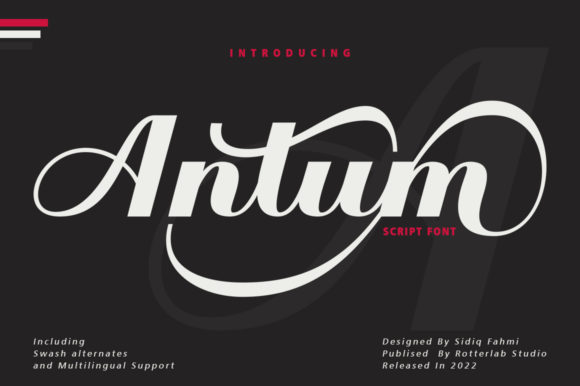
If you're running a small business, the right font can make all the difference in how your brand is perceived. Antum is a vintage bold script font that brings a unique charm to your branding materials. Its imperfect shapes give it a natural, handcrafted look that feels both elegant and approachable.
Why Choose Antum for Your Brand?
Antum stands out because of its vintage style and bold character. It’s PUA encoded, which means you can access special characters easily without needing additional tools. This makes it ideal for creating logos, product labels, or any design where a personal touch matters.
As a small business owner, I’ve found that using a consistent typeface across all my marketing materials helps build brand recognition. Antum adds that extra flair that makes your brand stand out from the crowd.
Real-World Applications of Antum
Let’s talk about how Antum can be used in real-world scenarios. Imagine you run a bakery. Using Antum on your packaging and social media posts gives your brand a warm, inviting feel. It works just as well for a handmade candle label or a beauty product wrapper. The font’s boldness makes it perfect for headlines, while its vintage charm fits well with artisanal products.
For service providers, like a coaching business, Antum can add personality to your website banners, email headers, and even thank-you cards. It gives your brand a professional yet friendly vibe that resonates with clients.
In a café setting, Antum could be used on menus or signage. Its readability on printed materials ensures customers can easily find what they need while still feeling engaged by the design.
When to Use Antum in Your Design Projects
Antum shines as a headline or display font. It's not meant for long paragraphs but works perfectly for logos, banners, or call-to-action buttons. Pairing it with a clean sans serif font can create a balanced look that's both stylish and easy to read.
For example, if you're designing a website banner, use Antum for the main title and a sans serif font for the supporting text. This combination keeps your design visually appealing while maintaining clarity.
On social media, Antum can elevate your Instagram posts or Pinterest graphics. It adds a touch of elegance that aligns well with brands focused on aesthetics and craftsmanship.
Readability and Practicality
While Antum has a decorative feel, it remains legible even in smaller sizes. This makes it suitable for product labels, stickers, and mobile screens. Just keep in mind that it's best used sparingly to maintain readability in more formal contexts.
I recommend testing Antum on different surfaces before committing to it fully. Try it on a business card, a flyer, and a digital ad to see how it performs in various formats. This way, you can ensure it meets your brand’s needs without compromising on professionalism.
Font Pairing Ideas for Antum
Pairing Antum with the right fonts can enhance your design significantly. A classic combination is using a decorative script font like Antum with a clean sans serif font for body text. This creates a nice contrast between elegance and simplicity.
Alternatively, pairing an expressive typeface like Antum with a readable serif font can create a sophisticated look that’s great for print materials. Experiment with these pairings to find what works best for your brand identity.
Commercial Licensing and Best Practices
Before using Antum in your commercial projects, make sure you have the appropriate licensing. If you plan to use it on product packaging, templates, or digital downloads, check the font’s commercial usage terms. This will help avoid any legal issues down the line.
Investing in a premium font like Antum can be a smart move for your brand. It allows you to create cohesive, professional visuals that reflect your brand’s personality and values.
Whether you're launching a new product or revamping your branding, Antum offers a versatile and stylish option that can elevate your design assets. From logo design to web design, it's a valuable tool in your creative toolkit.