Amalliyah: A Vintage Script Font for Editorial Design
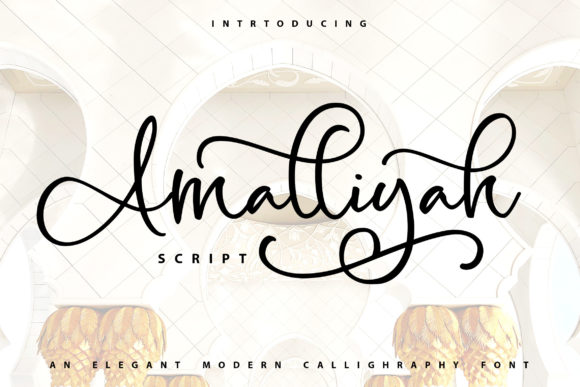
Amalliyah is a dainty and vintage styled script font that brings a sense of elegance and nostalgia to any editorial project. Its PUA encoded structure ensures easy access to all glyphs and swashes, making it a versatile choice for designers who value both aesthetics and functionality. As an editorial designer, I’ve found Amalliyah to be a reliable asset in crafting visually engaging content across blogs, magazines, ebooks, and more.
Visual Characteristics and Style
Amalliyah features delicate strokes and flowing curves that evoke a handwritten feel, ideal for creating a warm and inviting visual tone. Its vintage style makes it particularly well-suited for projects with a retro or artisanal theme. The font’s personality is soft yet expressive, allowing it to convey emotion and character without overwhelming the reader.
The script font’s subtle variations in weight and texture add depth to text, enhancing readability while maintaining a decorative flair. This balance between form and function makes Amalliyah a great choice for headings, titles, and accent typography where visual interest is desired without sacrificing clarity.
Uses in Editorial Design
Amalliyah can be effectively used in various editorial contexts. For blog headers, its elegant curves can draw attention and set a welcoming tone. In magazine covers, it adds a touch of sophistication, especially when paired with bold sans serif fonts for body copy. Ebook titles benefit from Amalliyah’s charm, giving readers a sense of curated content.
For newsletter graphics and quote layouts, Amalliyah helps highlight key messages with a personal and artistic touch. Chapter openers in coaching workbooks or recipe ebooks can use the font to create a cohesive and branded experience. Its versatility extends to printable guides and lead magnets, where it can enhance the overall design appeal and engagement.
Supporting Visual Hierarchy and Reader Engagement
Incorporating Amalliyah into your design allows for a clear visual hierarchy. It works best as a display font for titles, subtitles, and pull quotes, helping to guide the reader’s eye through the content. When used for section headings or cover text, it reinforces the publication’s identity and sets a consistent visual tone.
The font’s mood and character influence how readers perceive the content. Its vintage style can evoke a sense of tradition and craftsmanship, which is especially effective in lifestyle blogs or wedding guides. By using Amalliyah strategically, you can maintain consistency in branding and ensure that your publication stands out in a crowded digital space.
Readability Considerations
While Amalliyah excels in decorative applications, it’s important to consider readability, especially for longer passages. It is best suited for short bursts of text such as headings, chapter titles, and captions rather than extended body copy. For screen reading, PDF exports, and mobile layouts, pairing Amalliyah with a clean and readable serif or sans serif font ensures optimal legibility.
In print, Amalliyah performs well when used sparingly and with adequate spacing. Testing different line heights and tracking can further improve its performance on the page. Always ensure that the font size is large enough to maintain clarity, particularly in smaller formats like newsletters or social media graphics.
Font Pairing and Stylistic Flexibility
Amalliyah pairs beautifully with a variety of fonts, offering flexibility in editorial design. For a balanced look, consider combining it with a modern serif font for body text or a minimalist sans serif for captions and navigation. This contrast enhances readability while maintaining a cohesive aesthetic.
Its compatibility with other display fonts makes it a great option for multi-font layouts, allowing for dynamic visual storytelling. Whether you’re designing a digital magazine or a printable planner, Amalliyah can serve as a focal point that complements the rest of your typographic choices.
Commercial Use and Licensing
If you're planning to use Amalliyah in commercial projects such as ebooks, templates, printables, paid newsletters, client publications, or digital downloads, it's essential to check the licensing terms. Ensuring proper usage rights will protect your work and allow you to confidently incorporate Amalliyah into your editorial designs.
Many premium font providers offer licenses that support a wide range of uses, including web and print. Always verify the specific permissions included with the font to avoid any legal issues and to make the most of its creative potential.
Whether you're crafting a lifestyle blog, a wedding guide, or a coaching workbook, Amalliyah offers a unique blend of vintage charm and editorial utility. Its thoughtful design and ease of use make it a valuable addition to any content creator’s toolkit, helping to elevate the visual quality of your work and engage your audience effectively.